 Today · Tech Breaking
Constellation Energy ( CEG -0.69% ) and Vistra ( VST -0.48% ) are both benefiting from artificial intelligence (AI) power demand. Both have large power supply contracts with technology companies building AI data centers. One big difference between the two is scale, which may give Constellation Energy the edge for more conservative types.
GE Vernova ( GEV -1.50% ) sells the turbines utilities use to generate power, with a huge $176 billion backlog. It is the most growth-oriented choice here, which will likely give it the edge for some investors. Here's where these three AI power plays sit from an investor's standpoint.
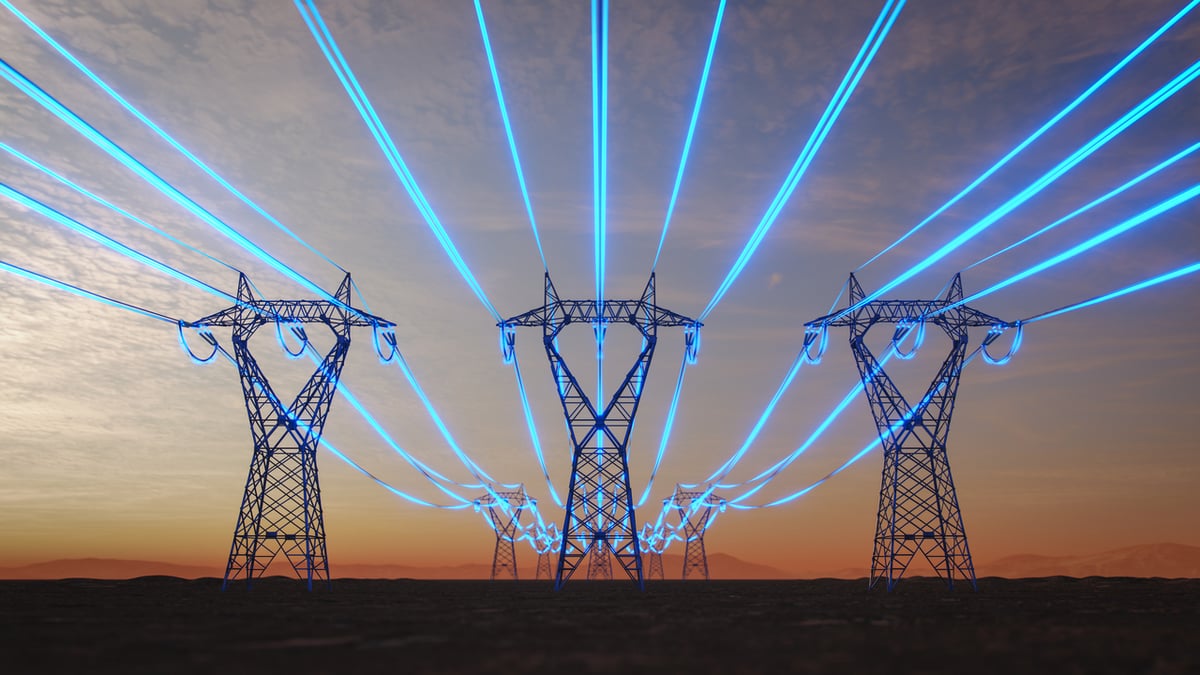
Image source: Getty Images. Supplying AI with power The big story for Constellation and Vistra is the growth in electricity demand. Between 2005 and 2025, electricity demand grew 10%.
Between 2025 and 2045, demand is expected to grow 60%. That's a step change driven by new technologies like artificial intelligence . The International Energy Agency expects AI power demand to grow four times faster than all other power demand over the next decade.
Constellation and Vistra are independent power producers, selling electricity outside of the regulatory framework. That means they sell power at market rates, which will let them benefit if demand drives prices higher. And they are both selling power directly to the technology companies building the AI backbone .
Moreover, their stocks have similar valuations, with both sporting price-to-earnings ratios of around 24x. CEG Constellation Energy $253.45 -$1.76 (-0.69%) NASDAQ · As of 4:00 PM ET 10/23/26 The big differences between the two come down to scale, generation, and dividend growth. More conservative investors will probably be better served going with Constellation, which is nearly twice as large, is the largest nuclear power plant operator in the United States, and offers a faster-growing dividend.
Their yields are similar, at around 0.6%, just like their valuations, but Constellation Energy's more rapid dividend growth will be very attractive to income-oriented investors , as it can turn that miserly yield into a much larger income stream over time. That said, if you prefer more growth-oriented investments, Vistra could be the better option. The problem is that it is expensive to build scale in the utility sector, noting that Vistra's debt-to-equity ratio is a lofty 3.6x compared to Constellation's 0.8x. (For reference, GE Vernova's ratio is an even lower 0.25x.) Utility businesses often operate with material leverage, but if you are risk-averse, Constellation will probably still be the better choice.
VST Vistra $140.16 -$0.67 (-0.48%) NYSE · As of 4:00 PM ET 10/23/26 Supplying the power suppliers GE Vernova is another option for growth-oriented investors that may be more appealing. Formerly part of the old General Electric, GE Vernova makes power turbines, including both wind and natural-gas turbines. It essentially sells these vital parts to companies such as Constellation and Vistra, among others.
Demand has been strong, with GE Vernova's backlog totaling $176 billion at the end of the second quarter of 2026. $815.00 -$12.42 (-1.50%) NYSE · As of 4:00 PM ET 10/23/26 That suggests years of growth ahead for GE Vernova, and it doesn't require a bet on a single power producer. GE Vernova can sell to any company. The stock's valuation, meanwhile, is roughly similar to that of Constellation and Vistra, with a P/E ratio of around 24x.
GE Vernova has a fairly short history as a stand-alone business, but it is a well-respected and established company within the power industry. If growth is what you are after, it probably beats out Vistra. Vistra is the odd man out More conservative investors will probably be best served by Constellation Energy because of its scale, reliable nuclear power portfolio, and faster-growing dividend.
Growth investors will likely be more appreciative of GE Vernova's massive backlog and its ability to sell to any power company looking to meet AI demand growth. That leaves Vistra somewhere in the middle, with a relatively high debt-to-equity ratio hinting that its risk/reward profile may not be as attractive as the other two options here.
Source: The Motley Fool